

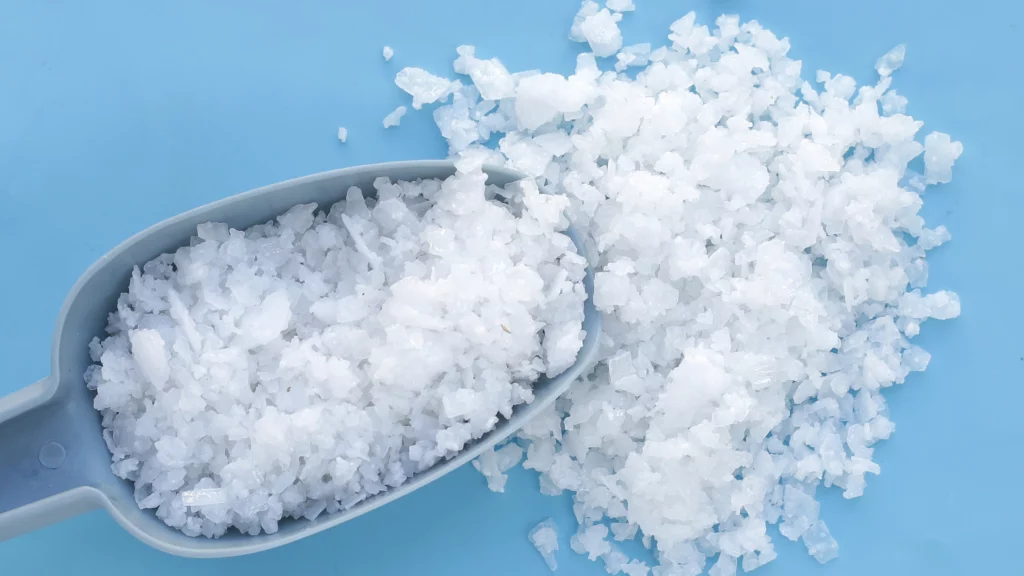
In the context of green chemistry surfactants, sodium isethionate represents a shift toward biodegradable and environmentally friendly surfactant solutions.
Sodium isethionate is increasingly recognized as a key ingredient in the development of eco-friendly surfactants and sustainable formulation systems. As industries move toward environmentally friendly chemical solutions, surfactants that offer high performance while remaining biodegradable and low in toxicity are gaining significant attention.
Within the framework of green chemistry, sodium isethionate stands out for its mildness, biodegradability, and compatibility with sustainable surfactant design across personal care, cleaning, and industrial applications.
What Is Sodium Isethionate?
Sodium isethionate is a biodegradable surfactant intermediate commonly used in the production of mild cleansing agents. It is valued for its low irritation profile, excellent skin compatibility, and ability to support environmentally friendly surfactant formulations. In chemistry, sodium isethionate is often associated with green surfactant systems designed to reduce environmental impact without compromising performance.
Key Benefits of Eco-Friendly Surfactants Like Sodium Isethionate
Surfactants and fatty amines offer multiple benefits in various industrial applications. Key benefits include:
- Improved stability of formulations: Surfactants help stabilize emulsions, which is crucial in products such as cosmetics and cleaning products.
- Reduced surface tension: This makes it easier to mix ingredients that would not normally mix, improving the effectiveness of the products.
- Antifoaming properties: Fatty amines are effective in reducing foaming, which is beneficial in industrial processes where foaming can be a problem.
- Dispersion efficiency: They help disperse fine particles in liquids, which is essential in applications such as paints and coatings.
- Biodegradability and sustainability: Supports eco green surfactants and sustainable formulation goals.
Application in Formulations in Different Industries
- Agrochemical Industry: Surfactants and fatty amines are used in the formulation of pesticides and herbicides to improve the dispersion and adhesion of chemicals in plants.
- Personal Care Industry: In products such as shampoos, conditioners, and creams, surfactants help create a smooth, homogeneous texture, while fatty amines improve stability and hydration.
- Water Treatment: Fatty amines act as coagulants and flocculants in wastewater treatment, helping to remove impurities and contaminants.
- Oil and Gas Industry: They are used in the extraction and processing of oil and gas to improve efficiency and reduce foaming.
- Textile Industry: Surfactants are used in dyeing and finishing processes to improve color penetration and fabric uniformity.
Sustainable Surfactants and Market Direction
The growing demand for sustainable surfactants is driven by stricter environmental regulations, consumer awareness, and the need for biodegradable surfactant suppliers. Ingredients such as sodium isethionate are increasingly incorporated into environmentally friendly chemical solutions that align with long-term sustainability goals across industries.
Within the broader shift toward green chemistry surfactants, companies such as SBR International GmbH contribute by supporting the supply and application of environmentally friendly surfactant solutions. By aligning formulation performance with sustainability and regulatory expectations, SBR International plays a role in advancing the adoption of biodegradable and eco-conscious chemical solutions across multiple industries.
Sustainable Surfactant Trends Shaping the Industry
The surfactants and fatty amines market has transitioned from short-term demand drivers to sustained, structural growth across multiple industries. Increased use in personal care, water treatment, and textile applications continues to support market expansion, alongside rising requirements for formulation efficiency and regulatory compliance.
Demand for surfactants remains strong as industries prioritize hygiene, cleaning performance, and process reliability across industrial and consumer applications. At the same time, the growing emphasis on sustainable and bio-based ingredients is reshaping how surfactants and fatty amines are selected and applied, accelerating the shift toward environmentally responsible alternatives.
As of 2026, surfactants and fatty amines remain essential components across diverse industrial sectors. Ongoing innovation in formulation science, combined with increasing expectations for performance, safety, and sustainability, continues to define the direction of this market in the years ahead.