

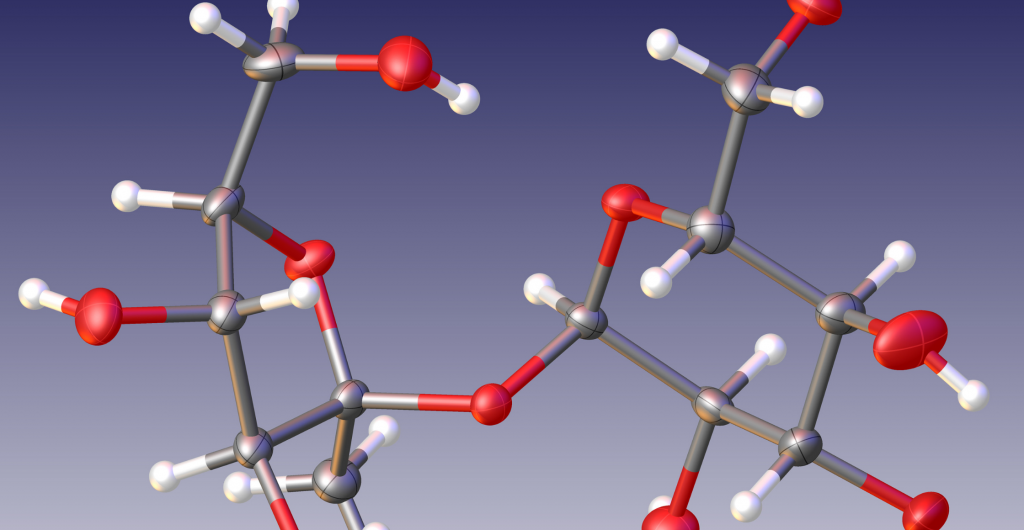
Alcohol ethoxylates are widely used non-ionic surfactants across agriculture, personal care, industrial cleaning, and specialty chemical formulations. Their broad adoption often raises important questions around safety, environmental impact, and regulatory compliance—especially when compared to restricted surfactant classes such as APEOs.
This guide addresses common concerns around alcohol ethoxylate dangers, explains how they differ from APEOs, and outlines best practices for safe use and regulatory compliance. The goal is to provide clear, evidence-based information to support informed formulation and sourcing decisions.
Are Alcohol Ethoxylates Harmful?
The short answer is: alcohol ethoxylates are generally considered safe when used correctly and as intended.
Alcohol ethoxylates belong to the class of non-ionic surfactants formed through the ethoxylation of fatty alcohols. Their safety profile depends on factors such as:
- Degree of ethoxylation
- Concentration used in formulations
- Application type and exposure route
When used within recommended dosage limits, alcohol ethoxylates do not pose significant risks to human health or end-use applications. In industrial and agricultural formulations, they are valued for their effectiveness at relatively low concentrations, which further limits exposure concerns.
Most reported issues associated with alcohol ethoxylates arise from improper handling, excessive concentration, or misuse, rather than from the chemistry itself.
Alcohol Ethoxylates vs APEOs: Detailed Explanation
This comparison highlights why alcohol ethoxylates are widely adopted as safer and more sustainable alternatives to APEOs. Their improved biodegradability, lower toxicity, and broader regulatory acceptance make them suitable for modern formulations focused on environmental responsibility and long-term compliance.
Parameter | Alcohol Ethoxylates (AEs) | Alkylphenol Ethoxylates (APEOs) |
Chemical Origin | Derived from fatty alcohols (natural or synthetic) | Derived from alkylphenols (e.g., nonylphenol, octylphenol) |
Surfactant Type | Non-ionic surfactants | Non-ionic surfactants |
Primary Use | Agriculture, personal care, industrial cleaning, textiles, coatings | Historically used in detergents, industrial cleaning, agrochemicals |
Biodegradability | Generally biodegradable, especially linear alcohol ethoxylates | Poor biodegradability; break down into persistent metabolites |
Degradation Products | Break down into shorter-chain alcohols and polyethylene glycols | Degrade into alkylphenols (e.g., nonylphenol) |
Environmental Persistence | Low to moderate, depending on structure | High environmental persistence |
Aquatic Toxicity | Lower aquatic toxicity when used at recommended levels | High aquatic toxicity |
Endocrine Disruption Risk | No known endocrine-disrupting metabolites | Alkylphenols are known endocrine disruptors |
Bioaccumulation Potential | Low bioaccumulation potential | High bioaccumulation in aquatic organisms |
Regulatory Status (EU) | Permitted under REACH with standard compliance | Heavily restricted or banned under EU regulations |
Regulatory Status (Global) | Widely accepted across regulated markets | Restricted or phased out in many regions |
Use in Modern Formulations | Preferred surfactant class for sustainable formulations | Largely avoided in new formulations |
Environmental Acceptance | Considered environmentally favorable when properly used | Considered environmentally hazardous |
Replacement Trend | Increasing adoption as APEO alternatives | Being replaced by AEs and other safer surfactants |
Long-Term Compliance Risk | Low | High |
Environmental Degradation & Biodegradability
Environmental impact is a critical factor in surfactant selection. Alcohol ethoxylates are generally recognized for their favorable biodegradability profile, particularly when compared to older surfactant classes.
Key environmental characteristics include:
- Primary biodegradation into shorter-chain intermediates
- Reduced bioaccumulation potential
- Lower long-term persistence in aquatic environments
The rate and completeness of biodegradation depend on:
- Molecular structure (linear vs branched alcohols)
- Degree of ethoxylation
- Environmental conditions
Linear alcohol ethoxylates are typically more biodegradable than branched variants, making them a preferred choice for environmentally sensitive applications.
Safe Handling & Dosage Guidelines
Like all industrial chemicals, alcohol ethoxylates must be handled responsibly to ensure safety and performance.
Best Practices for Safe Use:
- Use only recommended concentrations in formulations
- Avoid direct skin or eye contact during handling
- Ensure proper ventilation in processing areas
- Follow product-specific MSDS guidelines
From a formulation perspective, overdosing does not improve performance and may increase risks such as excessive foaming or environmental load. Proper dosage ensures optimal surfactant performance while maintaining safety and sustainability.
Regulatory Compliance (EU, REACH & Global)
Alcohol ethoxylates are widely accepted under major regulatory frameworks when manufactured and used in compliance with applicable standards.
Regulatory Considerations:
- EU / REACH: Alcohol ethoxylates are permitted, subject to registration and safe-use documentation
- Global Markets: Widely approved across the agriculture, industrial, and personal care sectors
- Environmental Regulations: Favorable compared to APEOs due to lower toxicity and better biodegradability
Compliance depends on:
- Accurate product documentation (MSDS, TDS, COA)
- Appropriate application and concentration
- Alignment with regional environmental standards
Selecting compliant surfactants reduces regulatory risk and ensures long-term market access.
Making Informed Surfactant Choices
Concerns around alcohol ethoxylate dangers are often rooted in outdated comparisons or misuse scenarios. When selected correctly, formulated responsibly, and used within regulatory guidelines, alcohol ethoxylates offer a safe, effective, and environmentally responsible surfactant solution.
Understanding the differences between alcohol ethoxylates and restricted alternatives such as APEOs allows manufacturers to make informed, future-ready formulation decisions.
Safety-Focused Surfactant Solutions from SBR International
At SBR International, we supply alcohol ethoxylates that meet global regulatory standards and support responsible formulation practices across agriculture, industrial, and specialty chemical applications. Our solutions are backed by comprehensive technical documentation, regulatory support, and global logistics capabilities.
For guidance on safe surfactant selection, compliance requirements, or formulation optimization, our team works closely with customers to ensure performance without compromise.