

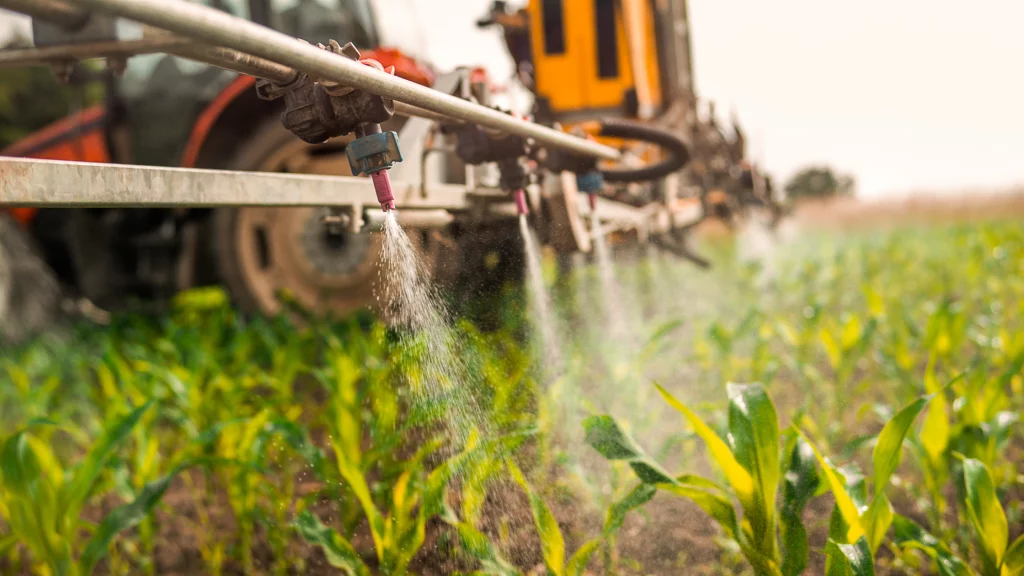
Fertilizer decisions are rarely simple. What works for one field, season, or crop may fail completely in another. Soil composition changes, weather patterns shift, and crop demands evolve over time. In this context, choosing the right fertilizer for crops is not just a routine input decision but a management practice that directly affects yield, soil condition, and long-term productivity.
Rather than relying on assumptions or standard formulas, farmers who understand how to choose fertilizer based on real field conditions tend to see more consistent results. The goal is not maximum application, but correct application.
Understanding Fertilizer Basics
Fertilizers exist to replace nutrients that crops remove from the soil. Over repeated growing cycles, even fertile land becomes depleted unless nutrients are replenished. Modern fertilizers for farming are designed to address this depletion in different ways, depending on how quickly nutrients need to be available and how long they should remain effective.
Plants primarily require nitrogen for vegetative growth, phosphorus for root development, and potassium for overall plant strength and stress tolerance. Secondary nutrients and micronutrients also play important roles, especially in intensive or repeated cropping systems. A fertilizer works best when it aligns with what the soil already has and what the crop actively needs.
Types of Fertilizers Used in Agriculture
1. Inorganic Fertilizers
Inorganic fertilizers provide nutrients in a concentrated and immediately available form. They are commonly used when crops require rapid nutrient uptake or when precise nutrient control is needed. These fertilizers are predictable in performance, but incorrect use can lead to nutrient losses or soil imbalance.
2. Organic Fertilizers
Organic fertilizers come from plant, animal, or mineral sources. They release nutrients more slowly and improve soil structure over time. Farmers often use them to support long-term soil health, especially in systems focused on sustainability or reduced chemical input.
3. Liquid Fertilizers
Liquid fertilizers are applied through foliar sprays or irrigation systems. They allow targeted feeding and are useful when crops show early nutrient stress. Because uptake is faster, application timing becomes especially important.
4. Slow-Release Fertilizers
Slow-release fertilizers are engineered to supply nutrients gradually. This reduces leaching, improves nutrient efficiency, and lowers the risk of overfeeding. They are particularly useful in crops with long growing cycles or in soils prone to nutrient loss.
These represent the most common kinds of fertilizer used by farmers, each suited to different soil types, crops, and farming practices.
Role of Fertilizers in Agriculture
Nutrient Supply
Fertilizers replenish essential nutrients removed during harvesting. Without this replacement, soil productivity declines steadily.
Soil Enrichment
Balanced fertilizer use supports microbial activity and helps maintain soil structure, especially when combined with organic inputs.
Increased Crop Yield
When nutrients are available at the right time and in the right form, crops develop more uniformly and efficiently.
Crop Quality Improvement
Proper fertilization improves crop size, color, nutrient density, and storage stability, which directly impacts market value.
Factors to Consider When Choosing Fertilizers for Your Crops
Soil Testing
Soil testing removes guesswork. It reveals what nutrients are already present and what is missing. Without this step, fertilizer application becomes speculative.
Crop Nutrient Needs
Different crops extract nutrients at different rates. Even within the same crop, nutrient demand changes across growth stages. Fertilizer selection should reflect this cycle.
Fertilizer Formulation
Granular, liquid, and controlled-release fertilizers behave differently in the soil. The formulation should match the crop system and environmental conditions.
Application Method
Broadcasting, foliar spraying, and fertigation each influence nutrient efficiency. Fertilizers must be compatible with the chosen method.
Environmental Impact
Excess nutrients do not benefit crops and often end up in water systems. Selecting the correct fertilizer for crops reduces waste and environmental stress.
Budget and Cost
The cheapest fertilizer is not always the most economical. Efficiency, nutrient retention, and long-term soil impact should factor into cost decisions.
Organic vs Inorganic Fertilizers
Many farming systems use a combination of both. The choice depends on production goals, soil condition, and regulatory or sustainability requirements.
Also Check: Photosynthesis: The Invisible Engine that Feeds the World
Common Fertilizer Application Methods
Broadcasting across the soil surface
Foliar application for rapid correction
Fertigation through irrigation systems
Soil incorporation near the root zone
Each method affects how nutrients move and how plants absorb them.
Practical Steps for Choosing the Right Fertilizer
Start with a soil test to establish baseline conditions
Identify the crop’s nutrient demand at each growth stage
Select a fertilizer type that matches soil and climate conditions
Decide on an application method suited to the crop system
Observe crop response and adjust future applications accordingly
Following these steps simplifies how to choose fertilizer while reducing unnecessary input costs.
Conclusion
Fertilizer selection is not about applying more nutrients but applying the right ones at the right time. Farmers who understand soil conditions, crop needs, and fertilizer behavior are better positioned to maintain productivity over the long term.
Choosing the right fertilizer for crops supports yield, protects soil health, and improves resource efficiency. In modern agriculture, informed fertilizer decisions are as important as seed selection or irrigation planning.
For guidance on improving nutrient efficiency and compatibility within agricultural formulations, reach out to SBR International at info@sbr-int.com